Key Takeaways
-
Match the plastic bottle to your hair oil's thickness: lightweight oils need clear PET bottles with droppers, while heavy oils need opaque HDPE bottles with pumps.
-
Understand how plastic bottles are made: blow molding shapes the bottle and affects clarity, durability, and oil compatibility.
-
Choose the right plastic material: PET for lightweight oils, HDPE for heavy oils, PP for heat resistance, and avoid PVC.
-
Select bottle features based on viscosity: droppers for thin oils, pumps for thick oils, sprayers for mists, and roller balls for targeted treatments.
-
Balance cost, sustainability, and branding: test samples, follow recycling guidelines, and comply with labeling regulations to ensure success.
Identify your hair oil formula type
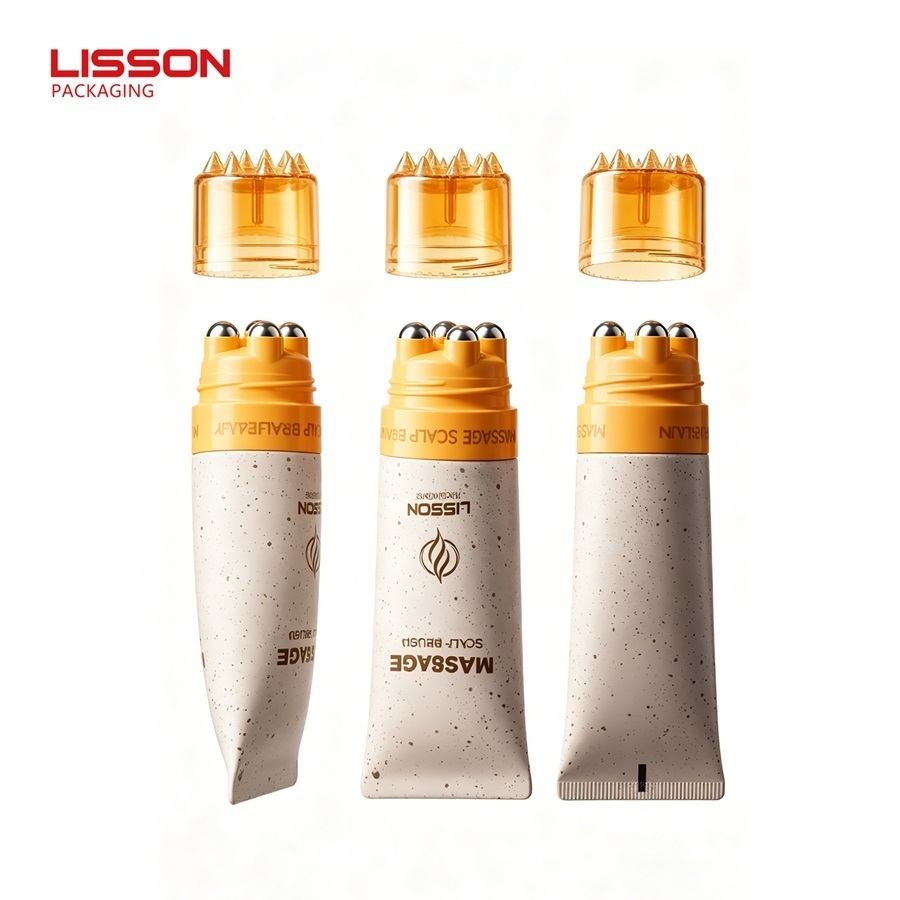
A formulator must categorize the oil before choosing a plastic bottle. Viscosity, or thickness, determines everything downstream: material choice, closure type, and dispensing method. Identifying the formula type early simplifies every later packaging decision. The process requires only a simple visual and tactile check. Suppliers such as Lisson use viscosity as the first filter when recommending a bottle.
Lightweight oils and essential oil blends
Lightweight oils flow easily and absorb quickly into the scalp. Jojoba oil, argan oil, and grapeseed oil fall into this category. Essential oil blends also belong here. Their carrier liquids remain thin and fluid. These formulas work well with droppers and fine mist sprayers.
Manufacturers treat lightweight oils gently during the filling process. Low viscosity means the liquid moves through nozzles without clogging or leaving residue. A clear PET plastic bottle suits this group well. PET offers good clarity. It also resists the chemical makeup of most light oils. The packaging needs a tight seal. Exposure to oxygen damages these oils over time. Dropper caps allow users to dispense small amounts with precision.
Heavy oils and oil serums
Heavy oils include castor oil, coconut oil, olive oil, and most hair serum blends. These formulas have a thick, rich consistency. They coat the hair strand and provide deep conditioning. They pour slowly. This slow pour requires wider openings and more robust dispensing systems. Pumps, flip-top caps, and roller balls handle thick liquids better than droppers.
Heavier formulas also demand sturdier materials. HDPE plastic bottles resist warping and leaking under repeated squeezing. They do not offer the same transparency as PET. Their opaque walls protect the formula better. Empty hair roller ball bottle packaging works well for scalp treatments. Thicker serums also pair with a hair oil bottle with 8-roller massage comb. The comb spreads the product along the part line. The identification process ends here. The viscosity category directly points to the right packaging solution.
Understand how plastic bottles are manufactured
Raw materials and manufacturing techniques for plastic bottles
Plastic bottles are composed of dry granules or pellets made from organic polymers. Polyethylene and polyethylene terephthalate represent two common base materials. What makes up plastic bottles goes beyond the base resin. Additives improve color, stability, and processing behavior. A manufacturer feeds these dry granules into an extruder. The extruder heats the resin until it becomes a viscous liquid. Melting temperatures typically range from 300°F to 600°F, depending on the plastic type.
Lisson sources cosmetic-grade pet resin with strict quality parameters. These parameters include intrinsic viscosity, moisture content, thermal stability, acetaldehyde levels, and color consistency. Typical IV grades for bottle production are 0.76, 0.80, and 0.84. Required documentation includes TDS, SDS, COA, and packing lists. The manufacture of plastic bottles depends on consistent raw material quality. Poor resin quality leads to weak walls, poor clarity, and oil compatibility problems.
Blow molding methods and material compatibility
The bottle manufacturing process uses three main techniques. Each blow molding method suits different plastics and container designs.
-
Reheat and blow molding: The process forms a pet bottle preform first, then reheats and stretches it before blowing. This method produces strong, clear pet bottles for lightweight oils.
-
Extrusion blow molding: The process extrudes melted plastic into a hollow tube called a parison. The mold closes around the parison, and air pressure expands it. This method suits HDPE and PP bottles for heavy oils.
-
Injection blow molding: The process injects melted plastic into a preform mold around a core rod. The neck finishes in precise dimensions. This method works well for small, accurate containers.
The stretch blow molding route dominates pet bottle production for hair oils. It delivers high transparency and good barrier strength. Each technique affects clarity, wall thickness, and chemical resistance. A formulator should match the blow molding process to the formula. Lisson tests material compatibility before bulk plastic bottle production begins.
Choose the right plastic bottle material
Material selection determines clarity, chemical resistance, barrier strength, and recyclability. Four plastics dominate hair oil packaging: PET, HDPE, PP, and PVC. Each one behaves differently with oils, and each carries a different end-of-life story.
PET plastic bottle pros and cons
Polyethylene terephthalate, or PET, offers outstanding clarity. A pet bottle shows the oil inside, which helps brands display golden jojoba or amber argan blends. PET also resists many oils without swelling or softening. The stretch blow molding process gives PET bottles strong walls and good barrier strength. Lisson uses this method to produce clear pet bottles for lightweight formulas.
PET has limits. The material is not a completely closed barrier. Air and moisture pass through slowly. For oils, this matters because light, oxygen, and time reduce stability over months. A pet bottle suits products with strong visual appeal and shorter storage cycles. Concentrated or chemically active oils need testing before a brand commits. Lisson recommends sample trials for these formulas.
Recyclability favors PET. PET bottles and jars reached a 29.1% recycling rate in 2018, with 910,000 tons recycled. That figure beats most other plastics.
HDPE, PP, and PVC plastic bottle options
HDPE, or high-density polyethylene, suits heavy oils and serums. The material is opaque, tough, and resistant to squeezing. HDPE natural bottles achieved a 29.3% recycling rate in 2018, with 220,000 tons recycled. A manufacturer can blow mold HDPE into sturdy bottles that handle castor oil and thick serums without warping.
PP, or polypropylene, works for formulas needing higher heat resistance. PP survives hot-fill conditions that would deform a pet bottle. Its recycling rate is only around 1-3% in the US, and most PP ends up in landfill. A brand choosing PP trades sustainability for thermal performance.
PVC is rarely the best choice. Contact with certain oils may cause PVC to break down and emit hazardous substances. Packaging suppliers strongly caution against PVC for cosmetic hair-oil bottles. PVC is also not recyclable in normal collections.
PET is not a completely closed material, meaning that air and moisture are not absolutely blocked. For oils, this matters because what oils often fear most is not "whether the bottle leaks today," but whether light, oxygen, and time will slowly reduce stability over the course of months.
The barrier properties of specialized plastics prevent moisture ingress and oxygen permeation, two environmental factors that accelerate degradation of essential oils and serum actives.
A simple rule guides the decision. PET suits lightweight oils. HDPE suits heavier oils. PP works for formulas needing higher heat resistance. PVC is rarely the best choice. This plastic bottle material framework keeps the manufacturing process focused and the final product stable.
Match bottle features to your formula
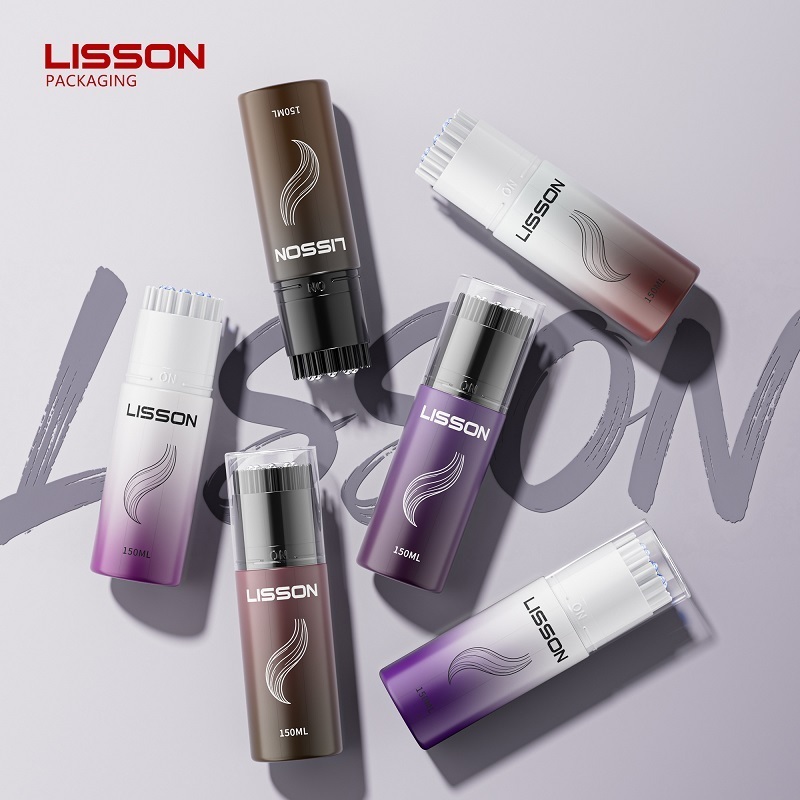
Closure selection follows directly from viscosity. A formulator who knows the formula type can now choose the dispensing mechanism. The wrong closure wastes product, frustrates users, and damages the brand. The right one delivers consistent doses and protects the oil inside.
Droppers, pumps, and empty hair roller ball bottle packaging
Each closure type serves a specific viscosity range and use case. The table below maps them clearly.
|
Closure Type |
Best Suited Viscosity / Formulation |
Typical Hair Oil Use |
|---|---|---|
|
Droppers |
Low-viscosity liquids; precise, small measured doses |
Essential oils, serums, lightweight oil blends |
|
Pumps |
Higher-viscosity / thicker formulations; controlled larger-quantity dispensing |
Thicker oil blends, creams, shampoo-like oils |
|
Sprayers |
Liquid products needing even application; fine mist for coverage |
Hair care sprays, lightweight oil mists |
|
Roller Balls |
Targeted application of oils and treatments; mess-free precision |
Spot/targeted scalp or hair oil treatments |
A lightweight argan oil blend needs a dropper. A thick castor oil serum needs a pump. A leave-in treatment needs a sprayer. A scalp spot treatment needs a roller ball. Lisson helps brands match these components to their exact formula.
Several technical details matter beyond the closure category. The neck finish, such as 20/410 or 24/410, must match the exact bottle and closure drawings, gasket, and application parameters. Capacity alone does not determine the finish. Dip tube length and end cut must suit the actual internal geometry to ensure priming, near-empty delivery, and freedom from kinking or bottom blockage. Commercial fill must specify nominal contents separately from brimful volume and pump displacement, verified through a fill-line trial that accounts for headspace and filling tolerance. Each wetted material, whether HDPE, PE, PP, or PETG, must be tested for permeation, deformation, odor change, and compatibility. A PP outer shell does not establish the material of internal seals, valves, or springs. A matching nominal neck diameter alone is insufficient; threaded interfaces such as 24/410 versus 24/415 must be reviewed before substituting components. These checks belong in every plastic bottle design review.
UV protection and hair oil bottle with 8-roller massage comb
Barrier properties and UV protection matter most for essential oil blends. UV radiation initiates chemical reactions in essential oils, degrading their aromatic and therapeutic compounds. This degradation changes the scent, lowers efficacy, and reduces shelf life. Clear packaging provides essentially no meaningful UV protection, so oils stored in clear containers remain vulnerable to ongoing light damage. A pet bottle offers clarity but limited UV defense. Amber or cobalt blue glass filters damaging UV light, but plastic bottles can incorporate UV-blocking additives during the molding process. Lisson tests UV protection as part of every plastic bottle design for essential oil clients.
The empty hair roller ball bottle packaging category deserves special attention. Roller balls suit targeted scalp application and mess-free precision. A hair oil bottle with 8-roller massage comb takes this concept further. The eight smooth metal balls glide across the scalp and distribute the oil evenly. The roller balls help the oil penetrate deeper into the scalp. The gentle massage action stimulates the scalp and increases blood flow to the follicles. Compared to traditional applicators, the roller bottle delivers product more precisely to the roots, resulting in less mess and less wasted oil. The ergonomic shape fits comfortably in the hand. Users report a cooling, spa-like experience. The detachable comb cap helps target roots even in thick hair. For hygiene, the roller and comb attachments can be detached and rinsed with warm water and mild soap, then dried thoroughly before reassembling. This ease of cleaning supports better absorption and improved scalp health with consistent use. Every plastic bottle design for scalp treatments should consider this applicator style.
Balance cost, sustainability, and branding
Cost-effective plastic bottle sourcing and recyclability
Cost drives material choice, and the numbers favor HDPE for heavy oils. PET resin is generally slightly more expensive than HDPE, though the actual price gap varies with market conditions and regional supply. HDPE is easier to mold into thicker-walled bottles, while PET needs stretch blow molding to achieve clarity and shape, which adds production complexity and cost. HDPE also resists oils, surfactants, and alcohol-based formulations better than PET, making it the stronger match for hair oil packaging where chemical compatibility matters. Lisson advises brands to order samples before bulk production. Sample trials test material compatibility, leak prevention, and dispensing performance. This step protects the brand from costly rework later in plastic bottle production.
Recyclability improves both sustainability and cost-effectiveness. PET bottles used for serums and liquids have 95%+ curbside acceptance, with a 29% U.S. recycling rate and an 85%+ rate in deposit states. HDPE bottles show similar acceptance. Design-for-recycling principles keep a plastic bottle sortable: match HDPE caps to HDPE bottles, use compatible PE-based labels or wash-off adhesives, avoid metallic coatings, and prefer clear or natural colors because dark pigments such as carbon black are invisible to optical sorters. A PET bottle with an incompatible label may fail sorting even though the base material is recyclable. Lightweight designs and refillable options cut material use and shipping weight, which lowers cost across plastic bottle production.
|
Certification |
Scope |
Applicability |
|---|---|---|
|
APR / RecyClass |
Plastic recyclability - packaging compatibility with recycling infrastructure |
PET bottles (also PP cosmetic tubes) |
|
ISCC PLUS |
Recycled-content certification, including recycled PET performance in beauty packaging |
Recycled PET |
Regulatory compliance and packaging branding
Packaging branding must comply with cosmetic labeling rules. In the US, the FDA requires the Principal Display Panel to state the product identity and net quantity, with ingredients listed by common name in descending order of predominance. The EU, under EC No. 1223/2009, requires the responsible person's name and address, nominal content, date of minimum durability or PAO, batch number, and an INCI ingredient list. If shelf life is 30 months or less, the label shows a best-before date or hourglass symbol; if it exceeds 30 months, an open-jar PAO symbol with months applies. Consumer-facing text must appear in the official language of the target Member State.
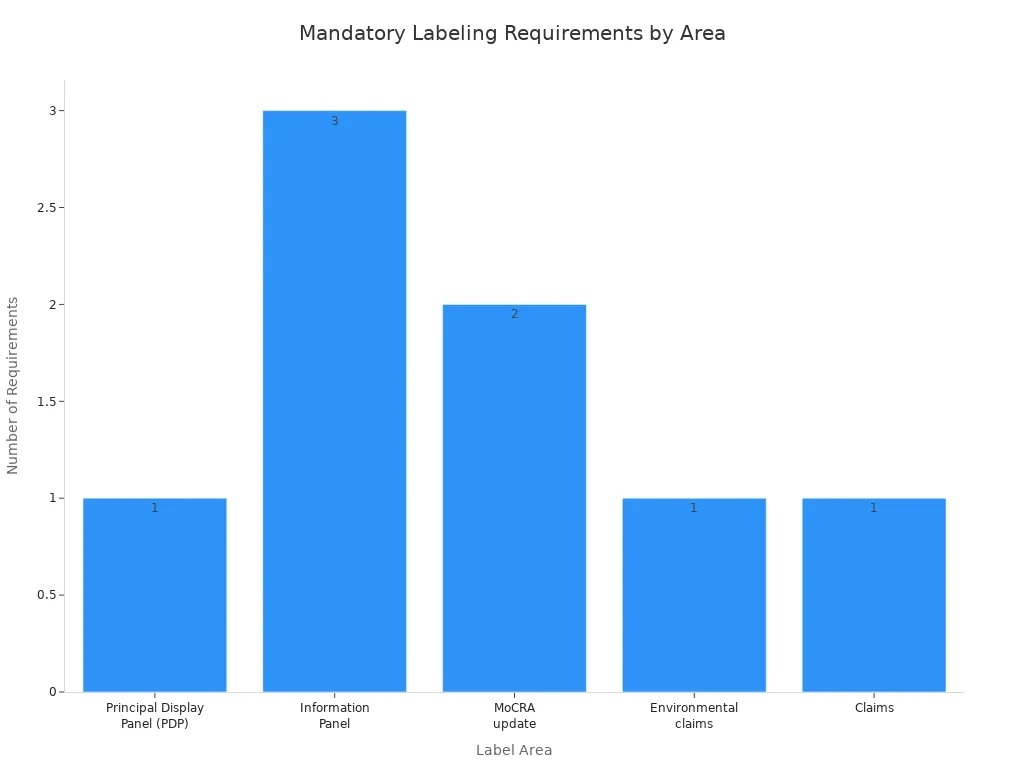
Brand owners carry legal responsibility for label compliance even when a third-party manufacturer makes the product. Claims must be truthful and substantiated, and therapeutic claims such as "regrows hair" trigger drug requirements. Environmental claims like "recyclable" or "made with recycled content" must follow FTC rules. Each plastic bottle design should reserve label space for these mandatory elements before plastic bottle manufacturing begins.
Choosing packaging requires a clear sequence. A formulator identifies the oil's viscosity, understands how molding shapes the plastic bottle, selects the material, and matches closures to the formula. The process ends with balancing cost, sustainability, and branding.
The right plastic bottle packaging matches the material and closure to the oil's thickness, chemical makeup, and intended use. No universal solution exists.
Brands should test samples from Lisson before placing bulk orders for plastic bottles. Sample trials check leakage, dispensing performance, and UV protection. This verification process prevents costly rework and confirms every manufacturing decision works in practice. Each step informs the next, so skipping one stage risks packaging failure.
FAQ
How does a formulator match plastic bottles to a hair oil formula?
A formulator checks viscosity first. Lightweight oils need a clear PET bottle with a dropper. Heavy oils need an opaque HDPE bottle with a pump. Empty hair roller ball bottle packaging suits scalp treatments. Lisson helps brands test samples before bulk bottle production begins.
Which blow molding method suits lightweight hair oils?
Reheat and blow molding suits lightweight oils. This method stretches a PET preform, then blow molds it into a clear bottle. Extrusion blow molding handles heavy oils in HDPE. Injection blow molding makes small, precise containers. Each blow molding route affects clarity and wall strength.
Why does a clear plastic bottle work well for lightweight oils?
This plastic offers high clarity and good chemical resistance. A clear bottle shows the oil inside and resists swelling. The stretch blow molding process gives it strong walls. Brands choose this material for lightweight formulas with strong visual appeal.
When should a brand choose HDPE over PET?
HDPE suits heavy oils and serums. It is opaque, tough, and resists squeezing. HDPE also costs less than PET and recycles at similar rates. A brand chooses HDPE when chemical compatibility and durability matter more than transparency.
How does blow molding affect oil compatibility?
Blow molding shapes the bottle wall and neck finish. A blow molded bottle must resist permeation, deformation, and odor change. A hair oil bottle with 8-roller massage comb needs precise molding. Lisson reviews every wetted material before bottle production starts.