Пластиковые безвоздушные флаконы предотвращают порчу продуктов, изолируя деликатные формулы от атмосферного воздуха с помощью механического вакуумного поршня. Усовершенствованные безвоздушные флаконы эффективно предотвращают окисление формул, защищая при этом активные УФ-фильтры и антиоксиданты, чувствительные к воздействию воздуха на кожу. Традиционные погружные насосы постоянно подают обратный поток воздуха в резервуар контейнера при каждом нажатии. Кроме того, открытые сверху форматы упаковки подвергают большие поверхности прямому воздействию кислорода из окружающей среды.
В отличие от этого, современная безвоздушная упаковка создает полный физический барьер против воздействия окружающей среды. Такая целенаправленная барьерная защита сохраняет эффективность продукта без потери качества. Выбор пластиковый косметический безвоздушный флакон солнцезащитного крема Конструкция обеспечивает длительную стабильность средств по уходу за кожей и максимальное удовлетворение потребностей пользователей.
Основные выводы
В безвоздушных флаконах используется поднимающийся поршень в нижней части, который выдавливает солнцезащитный крем, не засасывая вредный воздух.
Непрерывная вакуумная герметизация полностью блокирует доступ кислорода, сохраняя активные солнцезащитные компоненты и витамины в полном объеме.
Плотно запечатанные пластиковые смолы защищают составы от ультрафиолетового излучения, предотвращая изменение цвета и разрушение продукта.
Безвоздушная упаковка предотвращает рост бактерий и позволяет использовать до 98% солнцезащитного крема без потерь.
Механика безвоздушной упаковки по сравнению с традиционными бутылками
Традиционные методы упаковки часто наносят вред средствам по уходу за чувствительной кожей. Стандартные контейнеры позволяют кислороду из окружающей среды разрушать формулы солнцезащитных кремов. Передовые конструкции безвоздушной упаковки решают эту проблему благодаря продуманной механической конструкции.
Вакуумные поршни против традиционных погружных трубок
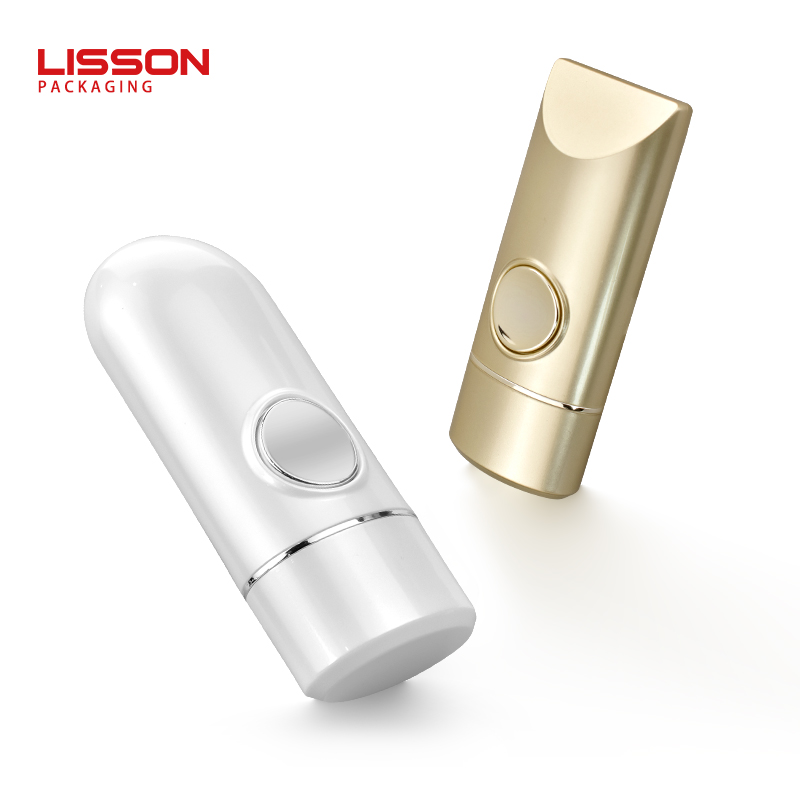
Вы можете оценить возможности безвоздушного дозирования, изучив внутренний механизм флакона. Современные флаконы с безвоздушным насосом используют систему без погружной трубки, которая динамически поднимает продукт.
Нажатие на головку насоса создает внутреннее давление.
Это давление поднимает подвижный диск (поршень) в основании камеры для продукта.
Продукт, находящийся над поршнем, выталкивается вверх и выходит через сопло.
По мере подъема поршня за ним поддерживается непрерывное вакуумное уплотнение.
Это вакуумное уплотнение предотвращает попадание воздуха в камеру с продуктом, обеспечивая постоянный контакт поршня с продуктом и предотвращая образование воздушных пробок.
Поршень действует как физический барьер: продвигаясь вверх во время каждого хода насоса, он занимает пространство, ранее занятое дозируемым продуктом. Это непрерывное перемещение означает, что нет пустого объема для воздуха, а уплотнение поршня предотвращает обратное попадание атмосферного воздуха в резервуар при отпускании насоса.
В отличие от этого, традиционная упаковка с погружной трубкой использует полую пластиковую трубочку. Механизм погружной трубки затягивает жидкость вверх, но после каждого дозирования в полость флакона возвращается окружающий воздух. Этот конструктивный недостаток приводит к постоянному воздействию воздуха на ценный продукт. Возвращающийся воздух вызывает немедленное окисление, которое разрушает активные ингредиенты и снижает эффективность солнцезащитного крема.
Устранение обратного потока воздуха и контакта с воздушным пространством
Стандартные форматы упаковки подвергают ваши формулы воздействию внутренних воздушных карманов, называемых воздушным пространством. В традиционных флаконах с погружной трубкой всегда остается пустой зазор с кислородом непосредственно над уровнем жидкости. Каждый раз, когда вы нажимаете на стандартный насос, внешний кислород замещает объем выдаваемой жидкости. Этот повторяющийся обратный поток воздуха дестабилизирует чувствительные косметические эмульсии.
Тип упаковки | Механизм контакта воздуха | Риск окисления |
|---|---|---|
Традиционные бутылки с трубкой для погружения | После дозирования всасывает окружающий воздух обратно в полость бутылки. | Высокий риск из-за постоянного обратного потока воздуха. |
Банки с открытым верхом | Большая площадь поверхности формулы непосредственно контактирует с кислородом окружающей среды. | Крайне высок риск быстрого химического разложения. |
Безвоздушные вакуумные бутылки | Поршень поднимается, полностью блокируя доступ кислорода без использования погружных трубок. | Отсутствие контакта с газовым пространством и максимальная стабильность |
Проблемы со стабильностью продукта возникают еще сильнее при использовании баночек с открытым верхом или традиционных косметических баночек без воздушного затвора. Контейнеры с открытым верхом подвергают большую площадь поверхности прямому воздействию атмосферного воздуха во время повседневного использования. Опускание пальцев в открытые баночки, помимо контакта с воздухом, приводит к попаданию внешних микроорганизмов. Этот физический контакт ускоряет загрязнение формулы, ухудшает текстуру и быстро разрушает активные компоненты.
Переход на безвоздушные флаконы без вентиляции полностью устраняет эти воздушные пробки. Механический вакуумный поршень плотно прижимает нижнюю камеру к внешним стенкам контейнера. Пластиковый диск плавно поднимается вверх во время ежедневного дозирования. Он физически устраняет внутреннее пространство, полностью изолируя от окружающего воздуха. Ваши активные косметические средства остаются в безопасности внутри вакуумной среды до последнего нажатия. Выбор высокоэффективной безвоздушной упаковки защищает ваши ежедневные средства по уходу за кожей от разрушения под воздействием кислорода окружающей среды.
Как солнцезащитный крем в пластиковой косметической бутылочке с безвоздушным распылением предотвращает окисление
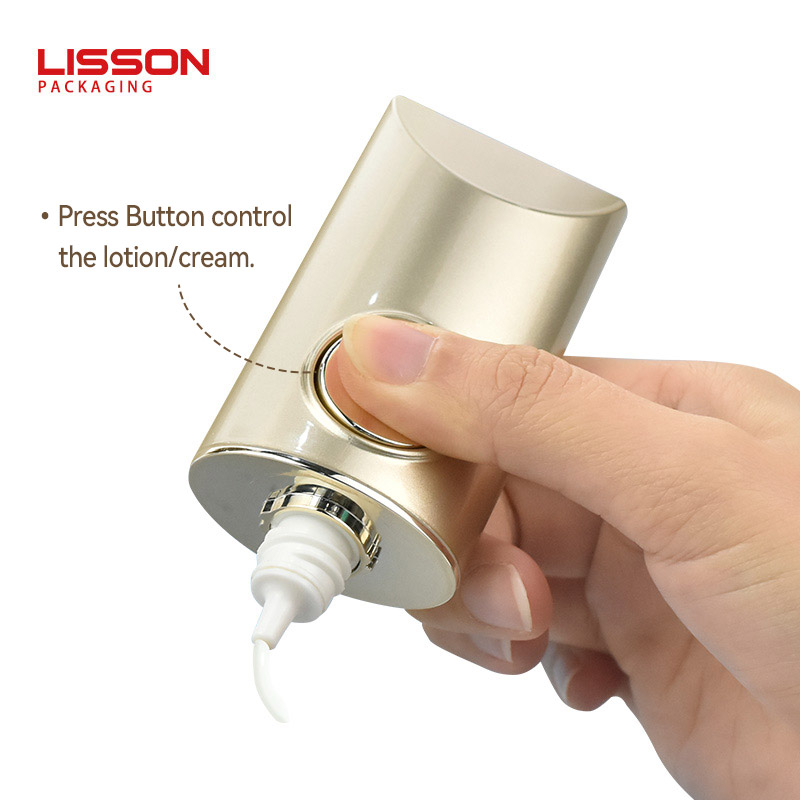
Предотвращение окисления и разрушения активных компонентов солнцезащитного крема
Средства по уходу за чувствительной кожей быстро разрушаются под воздействием окружающей среды. Активные ингредиенты, такие как авобензон, витамин С и ниацинамид, постоянно подвергаются химической нестабильности. Кислород и ультрафиолетовое излучение быстро разрушают эти чувствительные соединения. Воздействие воздуха снижает их активную эффективность, вызывает потемнение, приводит к расслоению фаз и со временем снижает общую защиту SPF. Традиционные контейнеры, такие как пипетки и открытые баночки, усугубляют эту проблему, поскольку они затягивают свежий кислород в резервуар во время ежедневного использования.
Особенность | Безвоздушный насос | Флакон с пипеткой |
|---|---|---|
Воздействие кислорода | Низкая скорость — поднимающийся диск выталкивает продукт вверх, воздух не втягивается. | Высокий уровень — при каждом использовании воздух возвращается обратно. |
Механизм | Предотвращает повторное, кумулятивное воздействие кислорода. | При каждом использовании обеспечивает приток воздуха, ускоряя окисление. |
Защита витамина С | Сохраняет эффективность и стабильность. | Приводит к деградации и изменению цвета в сторону оранжевого. |
Технология безвоздушного распыления предотвращает активное разрушение продукта еще до его начала. Непрерывное механическое воздействие исключает контакт продукта с атмосферным воздухом. Использование пластикового флакона для солнцезащитного крема без воздушного распыления полностью блокирует воздействие воздуха во время дозирования. Этот устойчивый физический барьер изолирует органические и неорганические УФ-фильтры. Он сохраняет деликатные эмульсии и обеспечивает защиту формулы на протяжении всего ежедневного применения. Вы получаете максимальную эффективность SPF от первого нанесения до последнего нажатия помпы.
Материальная барьерная защита с использованием смол ПЭТ, ПП и ПЭ.
Сочетание безвоздушной технологии с передовыми пластиковыми смолами обеспечивает двойную защиту для средств по уходу за чувствительной кожей. Производители упаковки изготавливают специальные пластиковые безвоздушные флаконы для солнцезащитных кремов из высококачественных смол, таких как ПЭТ, ПП и ПЭ. Эти прочные полимеры блокируют лучи окружающего света и предотвращают фотоокисление.
ПЭТ обладает лучшими кислородными барьерами, чем ПЭВП, что важно для активных веществ, чувствительных к окислению.
Стандартные полиэтиленовые/полипропиленовые смолы имеют коэффициент пропускания кислорода от 1000 до 2000 см³/м²·сут·атм. Высокоэффективные барьерные системы ориентированы на коэффициент пропускания ниже 0,1 см³/м²·сут для защиты чрезвычайно чувствительных материалов. Можно выбрать непрозрачные или обработанные УФ-излучением смолы. Безвоздушные бутылки блокируют солнечный свет и одновременно предотвращает разрушение атмосферы.
Непрозрачные ПЭТ, ПП и ПЭ смолы блокируют ультрафиолетовое излучение, предотвращая фотоокисление активных соединений.
Внутренний вакуумный механизм предотвращает попадание воздуха внутрь бутылки во время каждого нажатия на дозатор.
Изоляция средств по уходу за чувствительной кожей от воздуха и света предотвращает изменение цвета и расслоение формулы.
Герметичные бутылки без воздушного затвора сохраняют полную концентрацию активного вещества в продукте, значительно продлевая срок его годности.
Это мощное сочетание делает безвоздушную упаковку подходящей для активных ингредиентов в современных косметических рецептурах. Герметичные безвоздушные флаконы продлевают срок годности формулы, поддерживая постоянную внутреннюю стабильность. Выбор современной упаковки для средств по уходу за кожей защищает ваши ежедневные инвестиции в уход за кожей от повреждений, вызванных воздухом и светом. Современные безвоздушные системы снижают риск окисления и обеспечивают точное дозирование каждый день. Переход на высокобарьерную безвоздушную упаковку для средств по уходу за кожей гарантирует оптимальную безопасность, чистоту и эффективность косметических средств.
Дополнительные преимущества пластиковых безвоздушных систем
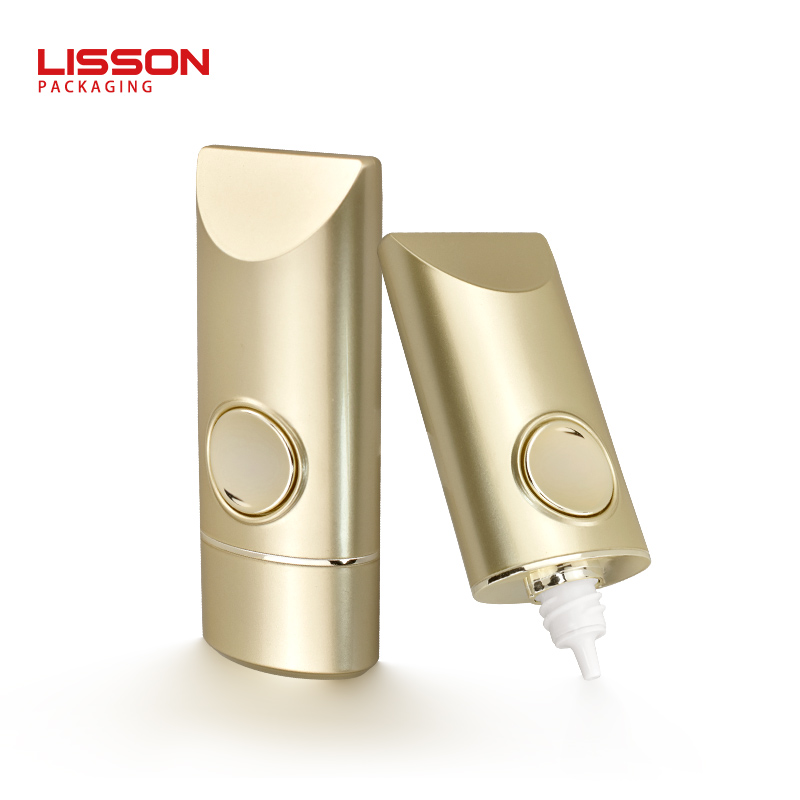
Увеличенный срок хранения и отсутствие загрязнений
Пластиковые безвоздушные системы защищают деликатные средства по уходу за кожей от воздействия окружающей среды. Они значительно продлевают срок годности формулы, предотвращая попадание внешнего воздуха в основную камеру контейнера. Герметичные безвоздушные флаконы сохраняют стабильность активных ингредиентов в течение длительного времени хранения. Вы сохраняете деликатные формулы средств по уходу за кожей от быстрого разложения без добавления химических веществ. Усовершенствованная конструкция обеспечивает полную защиту от скопления кислорода в окружающей среде, сохраняя консистенцию жидкости на протяжении всего ежедневного применения.
Специальный дозирующий механизм полностью блокирует микробное загрязнение во время ежедневного применения. Вы повышаете гигиену использования продукта, поскольку никогда не касаетесь непосредственно внутреннего резервуара с кремом. Традиционные открытые баночки подвергают косметические средства воздействию бактерий, переносимых по воздуху, во время ежедневного использования. Опускание пальцев в открытые баночки постоянно приводит к попаданию кожного сала и внешних микробов. В отличие от них, современные флаконы с безвоздушным дозатором используют герметичное внутреннее уплотнение. Такая герметичная конструкция снижает риск микробного загрязнения почти на 95% по сравнению с открытыми баночками. Вы наслаждаетесь превосходной личной гигиеной и увеличенным сроком хранения до последнего нажатия дозатора.
Точная дозировка и максимальное высвобождение препарата.
Современная безвоздушная технология максимизирует выгоду для потребителя за счет контролируемого дозирования продукта. Специализированная безвоздушная упаковка обеспечивает равномерное распределение активного вещества при каждом нажатии. Вы предотвращаете случайные потери, сохраняя при этом точность нанесения средств для ухода за чувствительной кожей. Надежный механический насос обеспечивает полный контроль над вашим ежедневным уходом за кожей.
Показатель эффективности | Традиционная упаковка в виде погружной трубки | Усовершенствованные безвоздушные системы |
|---|---|---|
Скорость испарения продукта | Остатки продукта остаются внутри, сохраняя 10–20% от первоначального количества. | Обеспечивает эвакуацию на уровне 95–98% без особых усилий. |
Риск загрязнения | Высокий риск, связанный с постоянным обратным потоком воздуха. | Вакуумный барьер полностью останавливает распространение бактерий. |
Механический поршень плавно поднимает средство внутри основного контейнера во время ежедневного использования. Традиционные конструкции с погружной трубкой оставляют значительные остатки, задерживающиеся на нижних стенках и в углах. Безвоздушные флаконы без вентиляционных отверстий позволяют опорожнить флакон практически полностью. Вы без труда получаете доступ к каждой капле вашего средства по уходу за кожей. Высокая эффективность опорожнения повышает экологичность бренда, сокращает расход средства и обеспечивает максимальное удовлетворение потребителей.
Переход на современную безвоздушную упаковку защищает формулы средств по уходу за чувствительной кожей. Традиционные контейнеры ухудшают качество деликатных ингредиентов из-за постоянного обратного потока воздуха. В отличие от них, герметичные безвоздушные флаконы полностью блокируют доступ кислорода из окружающей среды. Устранение внутреннего пространства сохраняет эффективность продукта и максимально увеличивает срок его хранения. Эти безвоздушные флаконы защищают чувствительные к кислороду активные компоненты средств по уходу за кожей от быстрой химической деградации. Выбор надежной конструкции пластикового безвоздушного флакона для солнцезащитных средств дает вашему премиальному бренду значительное конкурентное преимущество. Вы обеспечиваете точную дозировку продукта, гарантируя при этом почти 100% удаление содержимого у каждого пользователя. Переход на безвоздушные системы с высоким барьерным слоем гарантирует превосходную защиту формулы, повышенную чистоту и долгосрочную удовлетворенность потребителей.
Часто задаваемые вопросы
Как безвоздушный дозатор защищает активные ингредиенты солнцезащитного крема от окисления?
В безвоздушном насосе вместо погружной трубки используется механический вакуумный поршень. Поршень поднимается снизу при нажатии на головку насоса. Это движение выталкивает продукт вверх, не затягивая атмосферный кислород обратно в бутылку. Изолирующие активные УФ-фильтры предотвращают быстрое разрушение ингредиентов.
Почему стоит предпочесть солнцезащитный крем в пластиковом флаконе без воздушного потока вместо крема в баночке без воздушного потока?
Выбор солнцезащитного крема в пластиковом флаконе без воздушного фильтра обеспечивает лучшую защиту, чем в баночках. Баночки часто открывают большую площадь поверхности крема. Герметичные флаконы полностью изолируют чувствительные УФ-фильтры. Вы ежедневно защищаете чувствительную кожу от воздействия окружающего воздуха и внешних загрязняющих веществ.
Какие материалы обеспечивают наилучшую защиту для косметических средств?
Высококачественные смолы, такие как ПЭТ, ПП и ПЭ, обеспечивают превосходную защиту для современных линий средств по уходу за кожей. Эти прочные пластиковые полимеры создают надежные барьеры против световых лучей и проникновения кислорода. Вы предотвращаете фотоокисление, сохраняете цвет формулы и жидкую консистенцию без добавления химических добавок.
Как безвоздушные флаконы позволяют максимально эффективно использовать продукт потребителями?
Флакон безвоздушной системы динамически выталкивает вашу формулу вверх с помощью поднимающегося внутреннего поршня. Вы получаете доступ практически к каждой капле продукта без беспорядка и потерь. Этот механический процесс обеспечивает точную дозировку и гарантирует максимальное извлечение продукта по сравнению с традиционными системами с погружной трубкой.